

| Pages: | 240 pages |
| Book Art: | Color photos throughout |
| Size: | 7-4/5 x 9 inch |
| Publisher: | Permanent Publications |
| Pub. Date: | March 23, 2021 |
| ISBN: | 9781856233026 |
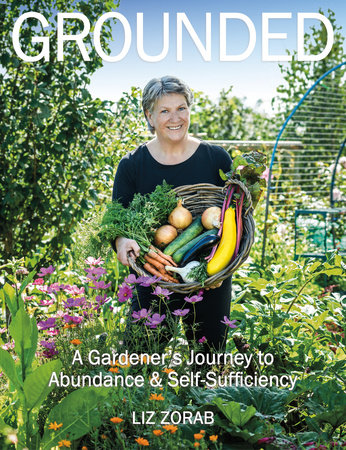
Grounded
A Gardener’s Journey to Abundance and Self-Sufficiency
“It’s on the top shelf of my self-sufficiency library”—Mark Valencia, Founder of the YouTube Channel and Blog Self Sufficient Me
“An invaluable resource”—Huw Richards
“A lovely description of making a new life through restoring health to soil and body”—Charles Dowding
A tale of courage and imagination that will inspire readers to grow their own productive paradise and live their dreams
This is the story of a gardener’s transformation of a tired paddock to food abundance in just over four years, with little money and a lot of resourcefulness and clever ideas. Author Liz Zorab also relates how she simultaneously transformed her life, overcoming the effects of chronic illness to develop a self-sufficient, independent lifestyle. This has taken Liz and her husband away from the rat race, giving them greater freedom and a more abundant life.
Grounded is an inspiring blend of practical tips and ideas with personal narrative, and will show you how to:
• Become more resilient
• Be creative with resources
• Make the most of the space you have
• Achieve more without exhausting yourself
• Fill your garden without emptying your pocket
• Enjoy the process as much as the results
From Liz Zorab, Winner of the Garden Media Guild’s Vlog of the Year 2022
Reviews & Praise
"A lovely description of making a new life through restoring health to soil and body."—Charles Dowding, author of No Dig and Compost
"What a beautiful book this is; honest, uplifting, practical, and full of inspiring projects, which I cannot wait to try in our own back garden. The author's 'can-do' attitude, her openness, and her willingness to learn and adapt as she goes along, shine throughout. Most of all, I love the way Liz and her husband have gone the extra mile to work with nature. The results, on so many levels, are remarkable."—Brigit Strawbridge Howard, author of Dancing with Bees
“Grounded is a fascinating, fun and inspirational read. I warmly recommend it to anyone who grows their own (whatever size plot), who wishes to start a smallholding, or who wants to find out more about living lightly on the earth."—Stephanie Hafferty, Organic Gardening Expert and author of No Dig Organic Home and Garden and The Creative Kitchen
"Grounded is a refreshingly honest and entertaining read that weaves together personal experience and practical food-gardening tips. It's a modern, yet down-to-earth, guidebook for aspiring smallholders on par with John Seymour's The Fat of the Land."—Tanya Anderson, author of A Woman's Garden and the popular gardening and beauty personality behind Lovely Greens
"I first started following Liz on her excellent YouTube Channel several years ago due to her 'down to earth' way of presenting gardening and homesteading knowledge/experienced based content. Liz's book Grounded is a first-hand story about self-sufficiency that also collates literally thousands of tips and practical examples of food gardening and self-reliance in such a way that it is a must-have learning tool for beginner through to advanced. Honestly, get the book and get into it!"—Mark Valencia, Founder of the YouTube Channel and Blog Self Sufficient Me

About Liz Zorab
Liz Zorab is the author of the bestseller Grounded: A Gardener’s Journey to Abundance and Self-Sufficiency. She spent more than 20 years working with specialist housing charities and in community development, with an emphasis on innovative volunteering practices. An award-winning gardener, she gained an RHS Silver Medal for a community-led garden featured on BBC’s ‘Gardeners World Live’ in 2002. A health crisis led Liz to turn to her life-long passion for gardening and growing food as a career. Liz spent several years transforming her 0.8-acre plot in Monmouthshire into an abundant smallholding. She is now regenerating a tired, over-grazed 4.5-acre site using permaculture practices. On less than an acre, she grows most of the food and drink her family enjoys each year, giving them food security, resilience and increased self-reliance. She enjoys spending time with Mr J (her husband) and her family, watching rugby and creative handicrafts, and has a distinct dislike of housework. Liz regularly writes for Permaculture Magazine, teaches gardening and self-sufficiency skills and encourages thousands of people to take up their trowels and live their dreams through a vibrant YouTube Channel, Liz Zorab – Byther Farm.
Books by Liz Zorab


You may also like...
-
 $29.95
 -
$24.95
-
$35.00


