

Ten Surprising Facts About the Energy We Use
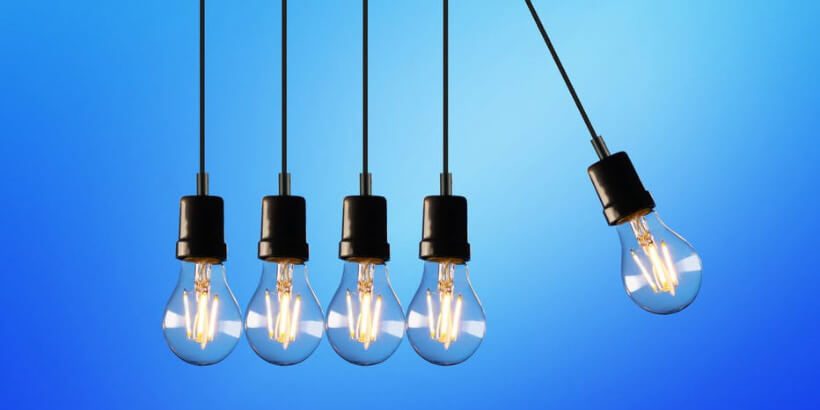
The days of cheap oil energy have come to an end. What once was simple and cheap (i.e. driving to vacation) has become difficult and expensive. The skyrocketing cost (and limited supply) of energy has forced us to re-examine the energy we use in our daily lives. Below is a quick list of 10 facts about our energy usage that may surprise you.
The following has been adapted for the web from Energy: Use Less—Save More by Jon Clift and Amanda Cuthbert.
10 Facts About the Water We Use
-
Americans consume 26% of the world’s energy.
-
18% of total emissions comes from operating our homes.
-
Heating and cooling account for about 56% of the energy use in a typical home.
-
We spend 10% of our electricity bills on lighting.
-
Our demand for energy grows by about 3% per year.
-
At any one time in most households an average of 8 appliances are left on stand-by. (Stand-by is an appliance’s “off” setting, but the appliance continues to use about 85% of the energy it uses while on—often so that it can listen for signals from remote controls.)
-
Energy-efficient washing machines use about 1/3 less electricity than older machines.
-
Washing clothes at 140 degrees (F) uses almost twice the energy as a 104 degree (F) wash.
-
90% of the energy used by traditional bulbs is wasted in producing heat.
-
About 25% of all the energy we use to heat our homes escapes through single-glazed windows.
A few of these facts may seem depressing, but the truth is that each one represents a great opportunity for reducing our energy usage, the greenhouse gases we create, and the cost of our electric bill. See Energy: Use Less—Save More by Jon Clift and Amanda Cuthbert for great energy saving strategies.
Recommended Reads
You may like...
-
 $59.95
 -
$29.95
-
$34.95


Recent Articles

When it comes to how we think about the economy, we’re centuries behind the times. Renegade economist, Kate Raworth, proposes an entirely new approach to economic systems thinking designed to help us develop new standards for economic success.
Read More
Have you heard of silvopasture? This system of managing grazing animals is an ancient practice that integrates trees and pasture into a single system for raising livestock. These systems are managed for both forest products and forage, providing short-and long-term income sources in a mutually beneficial way for healthier animals, better soil, less pest control and mowing, and…
Read More
Using herbal medicine to heal the body is an ancient practice. It has since become a worldwide industry. Today, modern-day doctor’s visits and industrial medicine have displaced common knowledge of herbal medicine. Some still remember the ancient practice. In her book Following the Herbal Harvest, Ann Armbrecht interviews one such person, Phyllis Light, a fourth-generation…
Read More
Addressing the pressing issues affecting everyday Americans is essential—and one of our nation’s most profound challenges is the devastating impact of mass layoffs. Layoffs upend people’s lives, cause enormous stress, and lead to debilitating personal debt. The societal harm caused by mass layoffs has been known for decades. Yet, we do little to stop them.…
Read More
In a personal investigation into ethical and traceable leather, fashion designer Alice Robinson begins a ground-breaking journey into the origin story of leather and its connection to food and farming. Keep reading to learn more about her process of cutting & shaping leather to create handbags, shoes, clothing, and more! The following is an excerpt from…
Read More